
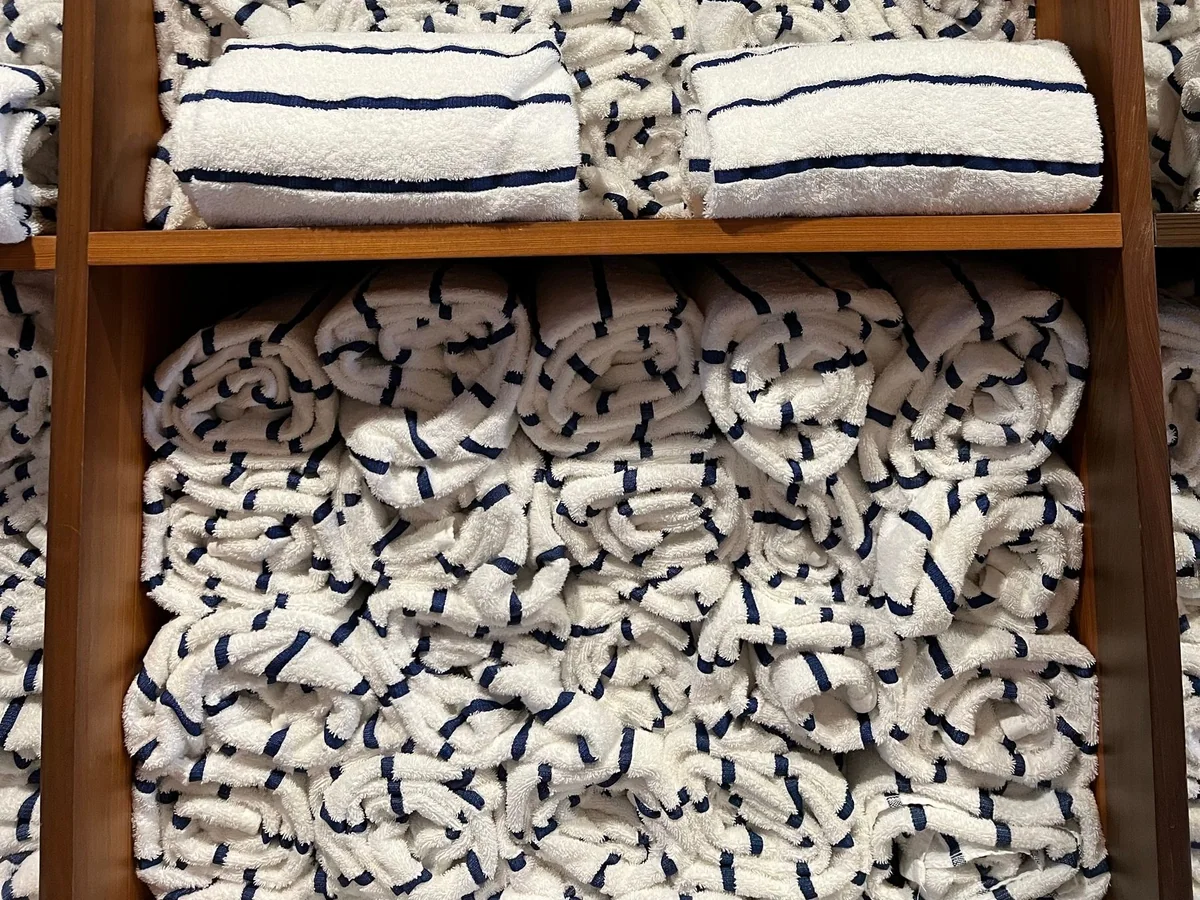
Choose towels that dry quickly between showers, resist odors, and make a shared family bathroom easier to manage. This guide is written for families sharing a bathroom with limited drying space and frequent back-to-back showers. The goal is simple: make reduce damp towels and odors through fiber, weave, size, and storage choices easier to judge before you bring another item into the room.
Quick-Dry Towels for Shared Family Bathrooms: Quick answer
Look for a lighter towel with an open weave, a quick-drying fiber blend, and a size that allows airflow on the bar. Cotton can be absorbent but heavy towels may stay damp in a humid bathroom. Waffle, ribbed, or thinner terry weaves generally dry faster. Buy two towels per frequent user so one can dry while the other is in use, and leave space between hooks or bars.
Look at Weight and Weave
A towel's weight and construction influence how long it holds water. Thick plush towels feel luxurious but can stay damp in a small, humid bathroom. Waffle, ribbed, and low-pile terry constructions expose more surface area to air. Cotton remains a common choice because it absorbs well and can be washed repeatedly, but cotton quality and weave vary. Microfiber dries quickly but may feel different and can retain odors if washed with fabric softener. Choose a towel that fits the bathroom's airflow, not only the feel in the store.
Measure the Drying Space
A towel cannot dry if it is folded over itself on a crowded bar. Measure the width of the bar and the distance between hooks. Wider towels may cover a shared bar and keep the next towel damp. A bath sheet is generous for one person but can be impractical in a small bathroom. Hand towels and washcloths should have separate hooks so they do not become a bundle. If the family uses robes, leave a dedicated hook that keeps the robe open. The storage plan is part of the towel purchase.
Plan Towels Per Person
Back-to-back showers require a rotation. Two bath towels per frequent user lets one dry while the other is in the wash or on the bar. A lighter towel is easier to wash and dry at home, so the rotation remains realistic. Children may need a smaller towel that they can manage independently. Guests can use a fresh towel from a labeled shelf. Avoid buying one oversized set that cannot rotate. Having enough towels is more useful than having a single extremely plush towel.

Wash Without Trapping Odor
Damp towels develop a musty smell when they stay wet or are washed with too much detergent. Use the amount recommended for the load and avoid fabric softener on absorbent towels because it can coat fibers. Wash towels separately from heavily soiled cleaning cloths. Dry them completely before returning them to the bathroom. If the bathroom has no window and weak ventilation, a small fan or a scheduled airing period can help. Check the care label before using hot water or bleach.
Choose a Color That Works Hard
Light towels show makeup and hair products, while dark towels can show lint and faded patches. A medium color with a subtle texture is often easiest in a shared bathroom. If everyone uses the same color, add a small embroidered mark or a different trim to reduce mix-ups. White towels can be bleached when the manufacturer allows, but frequent high-heat washing may shorten their life. Decide whether matching the bathroom or simplifying the laundry matters more.
Keep the Room Dry
Towels are only one part of moisture control. Run the exhaust fan during and after showers, leave the shower curtain spread open, and keep the floor mat off the floor when not in use. A squeegee can remove standing water from glass and tile. If the bathroom lacks ventilation, use a dehumidifier only when it is safe and appropriate for the space. Replace towels when they remain damp for hours, develop a persistent smell, or lose absorbency after proper washing. Moisture problems often point to airflow rather than fiber.
Compare the right category
Quick-Dry Towels for Shared Family Bathrooms: What we would shortlist
These are product categories to compare, not claims about a specific model. Check dimensions, material care, return terms, and the latest retailer information before ordering.
Start here
waffle-weave bath towel
- Best for
- small bathrooms with limited airflow
- Look for
- cotton content, absorbency, size, and a hanging loop
- Tradeoff
- texture can feel less plush than traditional terry
Best for a tighter footprint
lightweight cotton towel set
- Best for
- families with frequent laundry
- Look for
- fast-drying weave, colorfast dye, secure stitching, and a size that fits the bar
- Tradeoff
- lighter towels may feel thin to some users
Worth comparing for value
quick-dry hand towel
- Best for
- shared sinks and guest bathrooms
- Look for
- a size that hangs without touching the counter, a hanging loop, and easy laundering
- Tradeoff
- small towels need more frequent replacement
Quick-Dry Towels for Shared Family Bathrooms: Questions to ask before you buy
Are microfiber towels better for a shared bathroom?
Microfiber dries quickly and takes little space, but some users dislike the feel and it can hold odors if washed incorrectly. Cotton or cotton-blend quick-dry towels may be more familiar and easier to launder with other bathroom linens. Choose based on cleaning habits and how the towel feels against the skin.
How often should family bath towels be washed?
The right frequency depends on how quickly the towel dries, how many people use it, and whether anyone has skin sensitivity. A towel that stays damp or develops an odor should be washed promptly. Many households wash bath towels after a few uses, while hand towels used by multiple people may need more frequent changes. Having a rotation makes the routine easier.
Why do towels smell even after washing?
Residual detergent, fabric softener, or a long time spent damp can trap odor in the fibers. Wash with the recommended amount of detergent, skip softener, and dry thoroughly. If the smell remains after a proper wash, the towel may need a manufacturer-approved deep clean or replacement. Check the bathroom's ventilation as well.
A final practical check
Quick-Dry Towels for Shared Family Bathrooms: Before this purchase comes home
Recheck the exact dimensions in the room, the return window, and the cleaning method for the material you selected. Confirm that the new item supports reduce damp towels and odors through fiber, weave, size, and storage choices for families sharing a bathroom with limited drying space and frequent back-to-back showers, rather than solving only the photograph on the retailer page. Keep the packaging until the product has been used in its intended place, and save the order details in case a replacement part or measurement confirmation is needed later.
If two options still seem close, choose the one with the simpler care routine, clearer replacement parts, and a size that leaves a comfortable route through the room. A thoughtful purchase should make the everyday version of the room easier, not just the first day after delivery. Revisit this guide after living with the item for a week and adjust the layout, storage, or routine before buying another piece.
 Bathroom Counter Storage for Tiny Vanities
 Choosing a Shower Curtain Liner That Lasts
 Guest Bathroom Essentials That Feel Considered