
Organize a tiny bathroom vanity with shallow drawers, vertical trays, and a disciplined daily routine that keeps the counter usable. This guide is written for renters and homeowners working with a small or shared bathroom vanity. The goal is simple: make maximize counter and drawer usability without making the bathroom feel cluttered easier to judge before you bring another item into the room.
Bathroom Counter Storage for Tiny Vanities: Quick answer
Keep only the items used at the sink every day on the counter. Use a shallow tray to contain them, a narrow riser to create height, and a drawer divider for smaller products. Move backup toiletries to a labeled bin under the sink or in a nearby cabinet. Choose containers that can be wiped clean, and leave enough space to lift a soap dispenser or reach the faucet without moving everything.
Clear the Counter and Count
Remove everything from the vanity surface and wipe it dry. Put back only the items used during an ordinary morning or evening routine. If a product is used once a week, it can live in a drawer or cabinet. Count the remaining items and identify which ones need to stay upright, which need to be within one-hand reach, and which can be grouped. A tiny vanity fails when every backup bottle remains on view. The counter should support the routine, not act as a storage shelf.
Use Vertical Space Carefully
A narrow riser or two-tier tray can create a second level for soap, a cup, or a small plant, but only when it does not block the mirror or faucet. Measure the underside of the medicine cabinet or shelf before choosing a riser. If the mirror is close to the counter, a low tray may work better than a tall organizer. Wall-mounted cups and hooks add capacity without occupying the vanity, but they require a secure installation method. For renters, choose removable hardware only when the surface and product weight allow.
Divide the Drawer by Width
Shallow drawers are most useful when the dividers match the actual product sizes. Measure the interior width, depth, and height, then choose adjustable dividers rather than a fixed set. Keep the most-used drawer for daily products and reserve deeper storage for refills. A small lazy Susan can make tall bottles easier to reach, but it may waste square corners. Use a tray that lifts out for cleaning. Wipe the drawer before refilling it, because leaked product can attract dust and damage the finish.

Keep Moisture Out of Storage
Bathroom moisture can damage cardboard, some metals, and fabric organizers. Choose plastic, coated metal, or sealed bamboo where appropriate. Do not store cardboard boxes in the shower splash zone. Allow sponges and cloths to dry fully before putting them away. If the vanity is under a sink, check the pipes for leaks and keep storage containers raised above the cabinet floor. A small moisture absorber may help in a closed cabinet, but follow the product instructions and replace it as directed. Dry storage prevents odor and protects packaging.
Decide What Belongs Elsewhere
Not every bathroom item needs to live at the sink. Extra toilet paper, first-aid supplies, cleaning products, and hair tools can move to a hall closet or a labeled bin under a different cabinet. Keep medication in a location that is safe for the household and away from children or pets. If several people share the bathroom, give each person a small labeled tray or bin. The shared counter should remain easy to clean and free enough for the next person to use.
Create a Quick Reset
The daily reset can be short. Put the toothbrush in its holder, close the water bottle, return hair tools once cool, and wipe the tray. Keep a small caddy for cleaning supplies so bathroom cleaning does not require gathering items from other rooms. At the end of the week, remove anything that has not been used and decide whether it should move. A vanity stays organized through repeated small actions, not one large purchase.
Compare the right category
Bathroom Counter Storage for Tiny Vanities: What we would shortlist
These are product categories to compare, not claims about a specific model. Check dimensions, material care, return terms, and the latest retailer information before ordering.
Start here
narrow vanity tray
- Best for
- keeping daily products contained
- Look for
- raised edges, wipeable material, faucet clearance, and a size that does not cover the whole counter
- Tradeoff
- a tray that is too deep can hide spills and collect water
Best for a tighter footprint
adjustable drawer divider
- Best for
- shallow bathroom drawers
- Look for
- trim-to-fit rails, rust-resistant material, and sections sized for actual products
- Tradeoff
- poorly fitted dividers slide and leave wasted space
Worth comparing for value
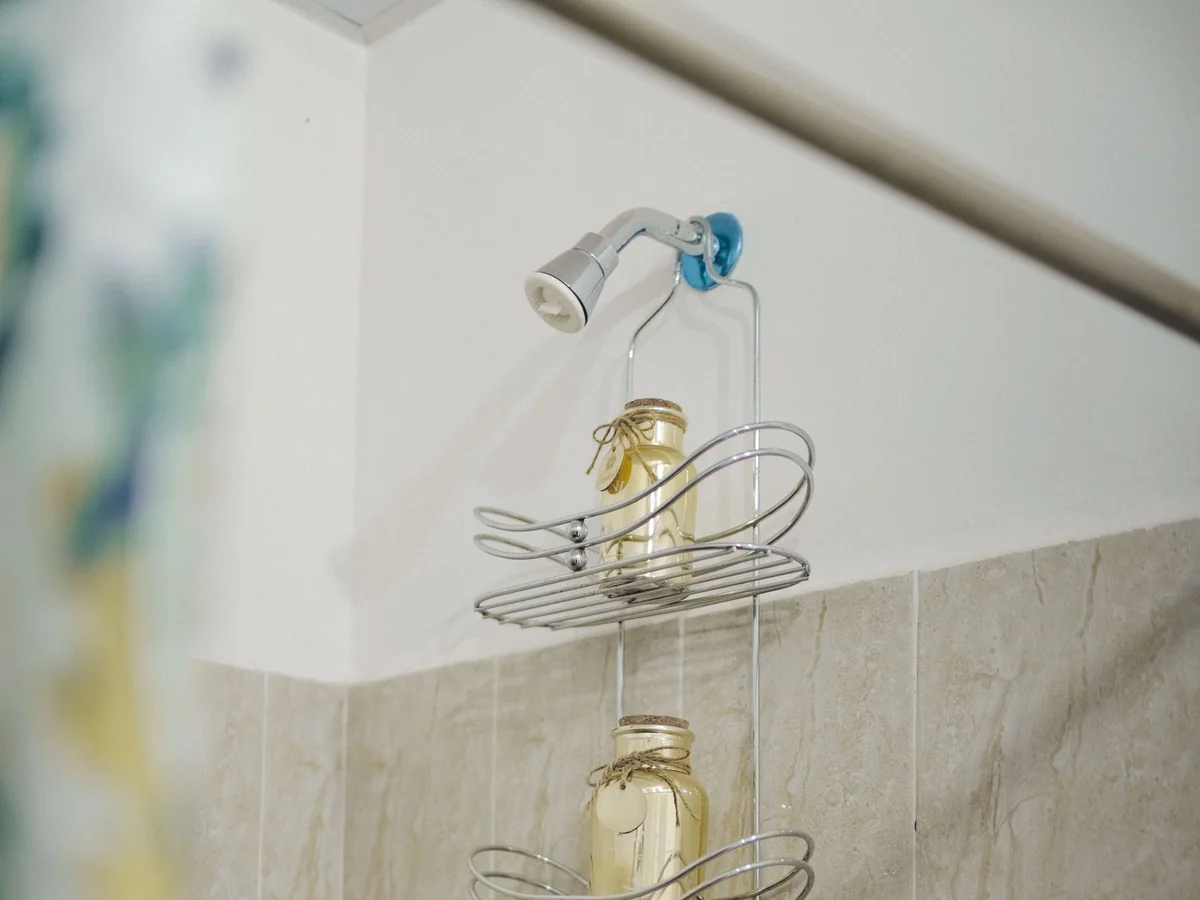
hanging shower caddy
- Best for
- shared bathrooms with limited shelf space
- Look for
- secure mounting, drainage holes, rust resistance, and a height that keeps items dry
- Tradeoff
- heavy bottles may stress suction or tension hardware
Bathroom Counter Storage for Tiny Vanities: Questions to ask before you buy
How do I keep a tiny vanity from looking cluttered?
Limit the counter to daily-use items and group them on one shallow tray. Choose containers that match the bathroom's metal or wood finish, and avoid several unrelated patterns. Keep backups behind a closed door or drawer. A clear countertop with one contained group usually looks calmer than multiple small organizers.
Can I use suction storage in a rental bathroom?
Suction can work on smooth, clean tile or glass when the product is rated for the weight and the surface is appropriate. It may fail on textured, wet, or dusty surfaces. Check the load rating, clean the surface before installation, and avoid storing heavy glass or fragile items overhead. Follow the manufacturer's removal instructions.
Should bathroom storage be open or closed?
Open storage works for items used daily and displayed intentionally. Closed drawers and cabinets are better for refills, medications, cleaning supplies, and anything that looks visually busy. In a humid bathroom, closed storage should be able to breathe and be cleaned. A mix of both often works best.
A final practical check
Bathroom Counter Storage for Tiny Vanities: Before this purchase comes home
Recheck the exact dimensions in the room, the return window, and the cleaning method for the material you selected. Confirm that the new item supports maximize counter and drawer usability without making the bathroom feel cluttered for renters and homeowners working with a small or shared bathroom vanity, rather than solving only the photograph on the retailer page. Keep the packaging until the product has been used in its intended place, and save the order details in case a replacement part or measurement confirmation is needed later.
If two options still seem close, choose the one with the simpler care routine, clearer replacement parts, and a size that leaves a comfortable route through the room. A thoughtful purchase should make the everyday version of the room easier, not just the first day after delivery. Revisit this guide after living with the item for a week and adjust the layout, storage, or routine before buying another piece.
 Quick-Dry Towels for Shared Family Bathrooms
 Choosing a Shower Curtain Liner That Lasts
 Guest Bathroom Essentials That Feel Considered