
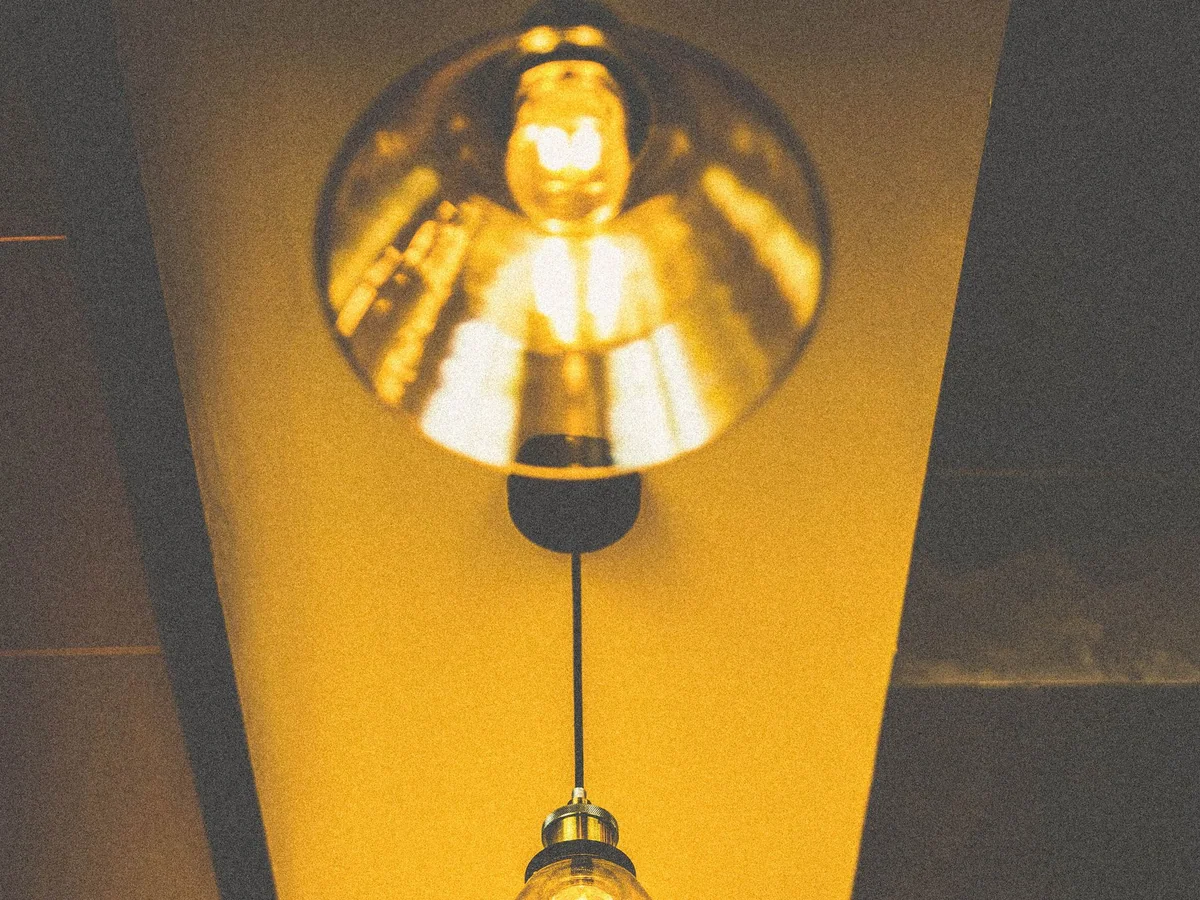
Layer warm lamps and dimmable fixtures in an open-plan living area to shift the room from daytime work to evening relaxation. This guide is written for residents of open-plan homes that feel too bright, flat, or clinical after dark. The goal is simple: make use layered warm lighting to define zones and ease the transition into evening easier to judge before you bring another item into the room.
Warm Lighting for Open-Plan Evenings: Quick answer
Create pools of light near seating, dining, and cooking zones instead of relying on one bright ceiling fixture. Use warm bulbs on dimmers, choose shades that shield the source, and keep the brightest task light focused where needed. A floor lamp, table lamp, and pendant can be controlled separately so the room changes gradually through the evening.
Divide the Plan Into Light Zones
An open-plan room may contain cooking, dining, reading, television, and conversation in one visual field. Identify the light each zone needs at night, then place a fixture close to that activity. A pendant over the island can stay brighter for cleanup, while a floor lamp beside the sofa creates a smaller pool of light. Do not use the same ceiling fixture to illuminate every zone. The room feels calmer when brightness changes across the space instead of remaining uniform.
Choose Warm, Diffused Sources
A visible cool bulb can make an evening room feel harsh. Choose warm light and use a shade, diffuser, or recessed fixture that hides the source from normal sight lines. A lamp that points upward and downward can wash the wall and illuminate a table without glaring. For task work, use a brighter focused light only where needed. Keep color temperatures consistent enough that one corner does not look orange while another looks blue.
Make Dimming Easy
Lighting is most flexible when each layer can be controlled independently. Dimmable bulbs, plug-in dimmers, smart plugs, or separate wall switches can create scenes without rewiring. Test whether the bulb and dimmer are compatible; some LEDs flicker or buzz at low levels. Label or group controls so everyone can use them. The goal is a gradual shift from practical brightness at dinner to lower ambient light later.

Use Pools of Light
An open plan can feel vast at night when the only light is overhead. A table lamp near a chair, a pendant over a dining table, and a small light on a kitchen counter create destinations. Keep the pools related in color temperature and avoid lighting empty corners just for symmetry. A floor lamp behind a sofa can wash the wall and define the seating area. If a zone is unused, leave it darker rather than lighting every square foot equally.
Balance Screens and Room Light
A bright television or computer screen in a dark room can increase eye strain and make the room feel less comfortable. Add enough ambient light behind or beside the screen to reduce contrast. Avoid placing a lamp directly in the screen reflection. For video calls or focused work, increase the task light near the person rather than raising the entire room to maximum brightness. Then lower the layers as the activity changes.
Create an Evening Routine
Turn on the dining or island light for dinner, then switch to lamps for conversation or reading. Before bed, dim the main layers and leave one low path light illuminated if needed. Grouping the controls makes this shift easy. If the room still feels harsh, check the bulb color and shade type before adding another fixture. Warm evenings are created by control and contrast, not by turning off every useful light.
Compare the right category
Warm Lighting for Open-Plan Evenings: What we would shortlist
These are product categories to compare, not claims about a specific model. Check dimensions, material care, return terms, and the latest retailer information before ordering.
Start here
dimmable floor lamp
- Best for
- living-zone ambient light
- Look for
- a stable base, warm bulb compatibility, shade diffusion, and accessible controls
- Tradeoff
- large shades can dominate a narrow room
Best for a tighter footprint
plug-in dimmer
- Best for
- rented homes and lamps without built-in dimmers
- Look for
- bulb compatibility, wattage rating, and easy control placement
- Tradeoff
- cheap dimmers may cause flicker or buzz
Worth comparing for value
warm LED bulb
- Best for
- layered table and floor lamps
- Look for
- color temperature, dimming range, frosted diffuser, and correct base size
- Tradeoff
- not all LED bulbs dim smoothly at very low levels
Warm Lighting for Open-Plan Evenings: Questions to ask before you buy
What color temperature is best for an open-plan evening?
Warm light is generally more comfortable for evenings, but the exact temperature is personal. Choose consistent bulbs across lamps and test them at the dimmest setting. The room should feel warm without making colors look unnatural. Keep brighter neutral light available for tasks rather than making the entire open plan warm and dim.
Why do my dimmable LEDs flicker?
The bulb and dimmer may not be compatible, or the dimmer may not meet the bulb's minimum load. Check the manufacturer compatibility lists and replace one component at a time. Some LEDs also buzz at low settings. A higher-quality dimmer and matching bulb usually solve the problem.
Do I need a lamp in every corner?
No. Light only the zones you use and let some areas remain quieter. A few well-placed pools are more useful than symmetrical lighting in unused corners. Start with the seating and dining zones, then add a lamp only where a real task or dark path needs it.
A final practical check
Warm Lighting for Open-Plan Evenings: Before this purchase comes home
Recheck the exact dimensions in the room, the return window, and the cleaning method for the material you selected. Confirm that the new item supports use layered warm lighting to define zones and ease the transition into evening for residents of open-plan homes that feel too bright, flat, or clinical after dark, rather than solving only the photograph on the retailer page. Keep the packaging until the product has been used in its intended place, and save the order details in case a replacement part or measurement confirmation is needed later.
If two options still seem close, choose the one with the simpler care routine, clearer replacement parts, and a size that leaves a comfortable route through the room. A thoughtful purchase should make the everyday version of the room easier, not just the first day after delivery. Revisit this guide after living with the item for a week and adjust the layout, storage, or routine before buying another piece.
 Table Lamps for Dark Corners
 Portable Air Cleaners for Pet Owners
 Floor Mirrors That Add Light to Narrow Rooms