
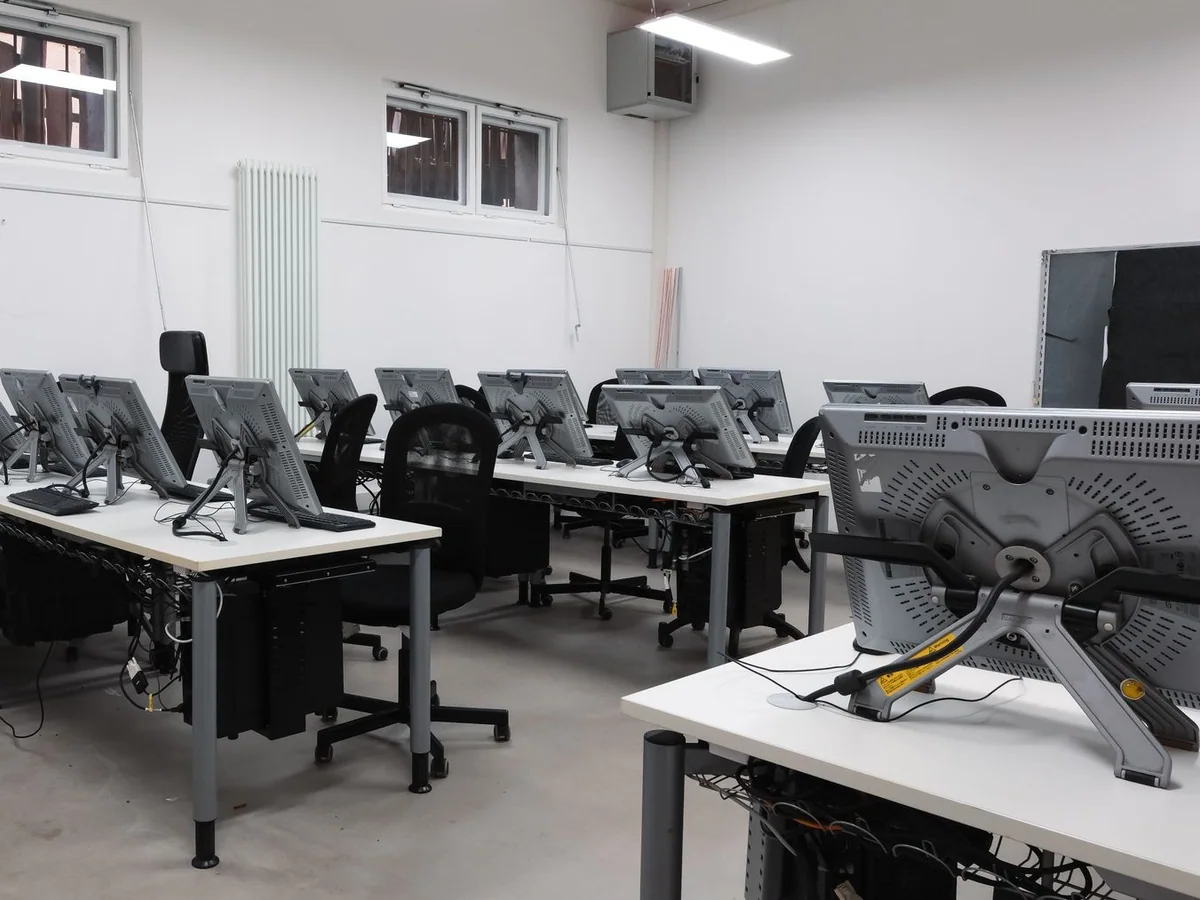
Organize receipts, inventory notes, shipping labels, and client papers in a compact home workspace with clear active and archive zones. This guide is written for small-business owners and side-hustle operators working from a compact home desk. The goal is simple: make separate active, reference, and archive papers so the desk stays usable easier to judge before you bring another item into the room.
Paper Storage for a Side-Hustle Workspace: Quick answer
Keep one inbox for paper that needs action, one tray for active projects, and one archive box with labeled folders. Separate business and household papers when possible. Store frequently used labels and envelopes vertically where they can be grabbed without digging. Review the active trays weekly and move completed items to the archive or recycling. Digital scans can reduce space but should be backed up.
Define Three Paper States
Paper moves through a workspace in three broad states: action needed, active project reference, and archive. A single pile mixes them and forces a full search every time something is due. Label one vertical or horizontal tray for each state. Keep the action tray closest to the keyboard and the archive farther away. If the desk is tiny, use one combined tray with removable sections. The categories should match the actual workflow, not an office-supply catalog.
Keep Frequently Used Forms Vertical
Shipping labels, envelopes, blank invoices, and packing slips are easier to grab when stored upright. A file holder with adjustable dividers can keep sizes separate. Measure the largest envelope before buying. Keep one open slot for new stock and one closed box for overflow. If the workspace is visible in a living area, choose a covered file box or a drawer insert so the supplies do not dominate the room.
Use a Weekly Action Review
A paper system fails when the action tray becomes another archive. Review it once a week: pay, file, scan, recycle, or delegate. Put a date on time-sensitive items and use a calendar reminder when the paper must leave the desk. If a document needs a long-term record, move it to the archive and note the location. Do not keep an item in the action tray just because no decision has been made.

Protect Sensitive Information
Business receipts, client details, and tax records need a secure place that is separate from common household paper. Use a locking file box or a locked drawer when appropriate. Keep passwords and account numbers in a password manager rather than a paper file. Shred or securely destroy documents with personal information when they are no longer needed. If you scan records, keep an encrypted backup and confirm what the relevant tax or legal requirements are.
Manage the Digital Overlap
Digital storage can reduce paper volume but creates its own clutter. Use consistent file names with dates, client or project names, and document type. Keep one inbox folder for uncategorized scans and review it weekly. Back up important files to a second location or trusted cloud service. Do not scan everything without a reason; a blurry or incomplete scan can be less useful than the original. The goal is to find the record when needed.
Keep the Surface Ready to Work
At the end of each work session, close the active folder, put the pen in one spot, and remove food or personal mail from the desk. A small tray can hold current project papers, but it should have a limit. When the tray is full, review instead of adding another tray. A side-hustle workspace should be able to start the next task without first clearing a pile from the last one.
Compare the right category
Paper Storage for a Side-Hustle Workspace: What we would shortlist
These are product categories to compare, not claims about a specific model. Check dimensions, material care, return terms, and the latest retailer information before ordering.
Start here
three-tier desktop paper tray
- Best for
- a visible action and active-project flow
- Look for
- stackable tiers, clear labels, easy access, and a footprint that fits the desk
- Tradeoff
- open paper can look cluttered in a living space
Best for a tighter footprint
vertical file holder
- Best for
- labels, envelopes, and forms
- Look for
- adjustable dividers, correct height for envelopes, and non-slip feet
- Tradeoff
- large files may need a separate box
Worth comparing for value
locking document box
- Best for
- sensitive home-business records
- Look for
- a reliable lock, fire-resistant guidance if needed, and a size that fits the storage shelf
- Tradeoff
- small lock boxes are not a substitute for secure digital backups
Paper Storage for a Side-Hustle Workspace: Questions to ask before you buy
How long should I keep business receipts?
Retention rules vary by location, business type, and tax situation. Keep records for at least the period required by the relevant authority and consult a qualified tax professional for the specific case. Store paper and digital copies in an organized system and make sure important receipts remain readable. When in doubt, keep the record longer.
Should I scan all paper documents?
Scan documents that need frequent reference, backup, or secure sharing, but keep originals when required. A scan should be clear, named consistently, and backed up. Avoid a giant unorganized folder of images. Check legal or tax guidance for documents that must remain in original form.
How do I stop paper from spreading across the house?
Give incoming paper one landing spot near the workspace, then process it at least weekly. Keep household and business categories separate, and make a decision for every item: act, file, scan, or recycle. If paper accumulates elsewhere, add a small labeled box at the entry rather than creating another pile on the kitchen counter.
A final practical check
Paper Storage for a Side-Hustle Workspace: Before this purchase comes home
Recheck the exact dimensions in the room, the return window, and the cleaning method for the material you selected. Confirm that the new item supports separate active, reference, and archive papers so the desk stays usable for small-business owners and side-hustle operators working from a compact home desk, rather than solving only the photograph on the retailer page. Keep the packaging until the product has been used in its intended place, and save the order details in case a replacement part or measurement confirmation is needed later.
If two options still seem close, choose the one with the simpler care routine, clearer replacement parts, and a size that leaves a comfortable route through the room. A thoughtful purchase should make the everyday version of the room easier, not just the first day after delivery. Revisit this guide after living with the item for a week and adjust the layout, storage, or routine before buying another piece.
 Desk Lamps with Low Glare for Evening Work
 Narrow Desks for Hallway Offices
 Footrests for High Desks and Small Frames