

Use furniture placement, rugs, lighting, and storage to create distinct living and sleeping zones in a studio apartment. This guide is written for renters and owners planning a studio apartment that needs separate sleep, work, and living areas. The goal is simple: make create two clear rooms visually and functionally without building walls easier to judge before you bring another item into the room.
Furniture That Makes a Studio Feel Like Two Rooms: Quick answer
Anchor each zone with a rug and a different light source, then use the back of a sofa, a low shelf, or a set of curtains to create visual separation. Choose furniture that is finished on both sides and leave a clear walking path between zones. A rug under the bed and another under the sofa can do more than a tall divider because they preserve light and airflow.
Zones Begin With Repeated Cues
The eye reads a room as separate when several cues change at once: floor covering, light height, wall arrangement, and the direction of furniture. Give the sleeping area a soft rug, a bedside lamp, and darker textiles. Give the living area a larger rug, a higher table lamp, and a different chair orientation. The transition does not need a wall. Repeating one color across both zones keeps the apartment from feeling fractured. If every zone uses a different palette, the studio can look like several small rooms pushed together.
Use the Back of a Piece as a Boundary
A sofa, low bookcase, or console can separate the bed from the living area when its back faces one zone. Choose furniture with a finished back or add a fabric panel that is clean and removable. Leave at least a narrow path around the boundary so the apartment does not become a maze. A bench or shelf at the foot of the bed can provide the visual break without blocking light. If the boundary also holds storage, keep the open side accessible and avoid loading it so heavily that it feels like a wall.
Let Light Define the Time of Day
A studio often has one ceiling fixture serving every activity. Layer lamps so the sleeping zone can be dim while the living zone remains usable. Use warm, shaded light near the bed and a brighter adjustable lamp at the desk or sofa. Battery lamps can work where outlets are scarce. If the ceiling light is harsh, change the bulb or add a dimmer when the fixture and lease allow. Lighting helps a single room change purpose without moving furniture.

Give Storage a Specific Home
Studio storage fails when every surface serves every activity. Assign closed storage to clothing and paperwork, and keep open shelves limited to objects that look orderly. Use vertical storage near the entry for coats, bags, and shoes. A rolling cart can support hobbies and move out of sight when not in use. If the bed has drawers, reserve them for bedding or infrequent items rather than daily clutter. A zone is easier to keep when its objects have a defined boundary.
Protect the Walking Path
Even a small studio needs a clear route from the door to the kitchen, bathroom, and window. Mark the main path with tape before buying furniture and keep it free of chair legs, cords, and storage. A round dining table may use corners differently than a rectangular one. Nesting tables can be stored under a console. If the path crosses a rug edge, secure the rug so it does not curl. Circulation is the difference between a flexible studio and a crowded one.
Try the Layout Before Committing
Use boxes, tape, and existing furniture to test the proposed zones for several days. Note where bags land, where light is needed, and which pieces make the room feel smaller. Change one element at a time: rug size, lamp position, or the direction of the sofa. If the studio includes a bed that converts, measure it in both positions. A successful layout supports daily routines without requiring every piece to move before breakfast.
Compare the right category
Furniture That Makes a Studio Feel Like Two Rooms: What we would shortlist
These are product categories to compare, not claims about a specific model. Check dimensions, material care, return terms, and the latest retailer information before ordering.
Start here
finished-back apartment sofa
- Best for
- dividing a living zone from a bed
- Look for
- a clean reverse side, compact depth, removable legs, and comfortable upright seating
- Tradeoff
- a sofa boundary can block light if it is too tall
Best for a tighter footprint
low open bookcase
- Best for
- visual separation with storage
- Look for
- a width that leaves walking space, a stable base, and baskets that face the correct side
- Tradeoff
- open shelves reveal clutter unless contents are edited
Worth comparing for value
dual-zone rug set
- Best for
- defining sitting and sleeping areas
- Look for
- compatible colors, low-pile edges, and sizes that leave a visible path
- Tradeoff
- two large rugs can overwhelm a very small floor
Furniture That Makes a Studio Feel Like Two Rooms: Questions to ask before you buy
Is a room divider necessary in a studio?
Not always. Rugs, lighting, furniture backs, and color changes can create enough separation while preserving light and airflow. A divider helps when privacy or a stronger visual boundary is needed, but it takes floor space. Test the layout with temporary cues before installing a permanent piece.
How do I separate a bed from a sofa in one room?
Face the sofa away from the bed, keep the bed in the quieter corner, and use different rugs and lamps for each zone. A low console behind the sofa can hold a lamp or books. Leave a clear path around the bed and avoid tall dividers that block the window or make the room feel narrower.
Should both zones use the same color palette?
A shared base palette helps a studio feel coherent. You can vary texture, pattern, and light level while repeating one or two colors. The sleeping area may use deeper, softer tones, while the living area uses a slightly brighter accent. The result feels intentional without making the apartment look divided into unrelated spaces.
A final practical check
Furniture That Makes a Studio Feel Like Two Rooms: Before this purchase comes home
Recheck the exact dimensions in the room, the return window, and the cleaning method for the material you selected. Confirm that the new item supports create two clear rooms visually and functionally without building walls for renters and owners planning a studio apartment that needs separate sleep, work, and living areas, rather than solving only the photograph on the retailer page. Keep the packaging until the product has been used in its intended place, and save the order details in case a replacement part or measurement confirmation is needed later.
If two options still seem close, choose the one with the simpler care routine, clearer replacement parts, and a size that leaves a comfortable route through the room. A thoughtful purchase should make the everyday version of the room easier, not just the first day after delivery. Revisit this guide after living with the item for a week and adjust the layout, storage, or routine before buying another piece.
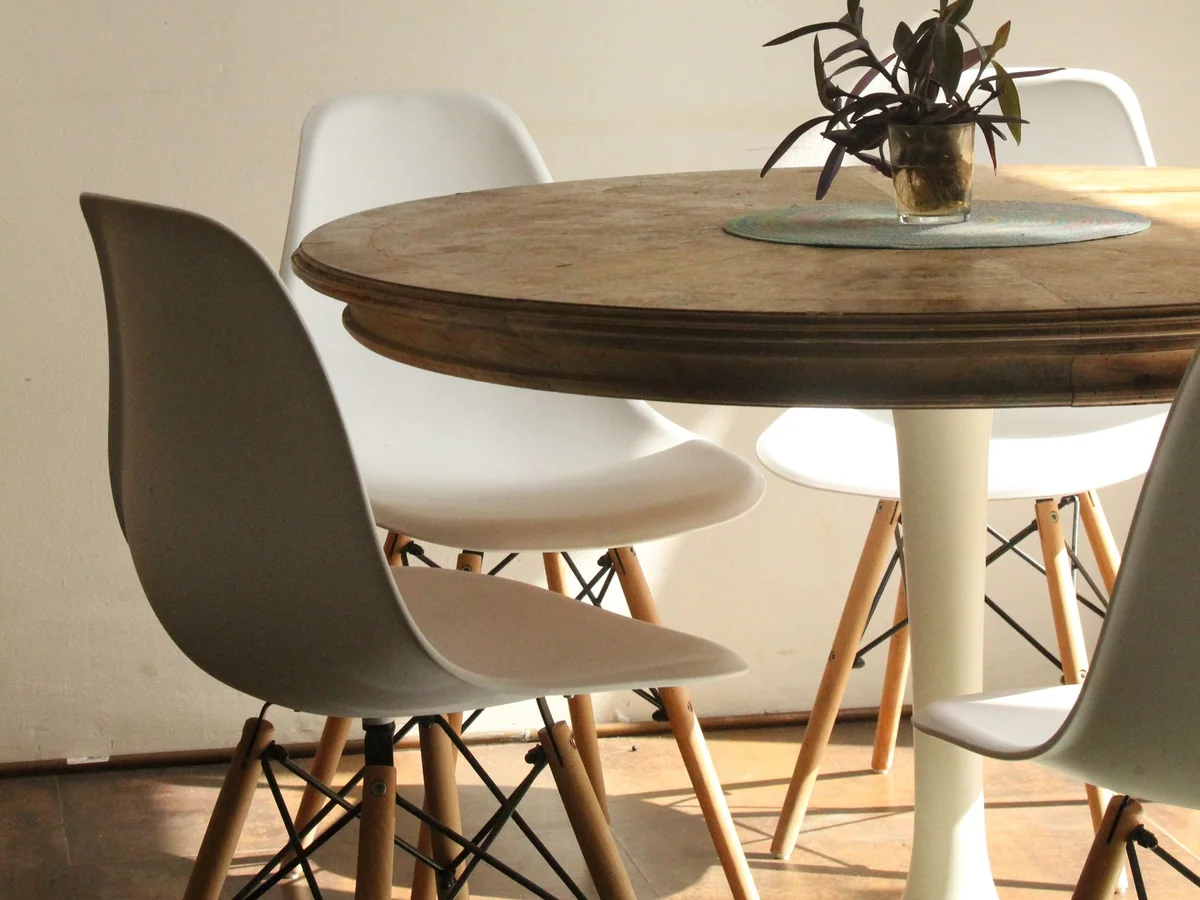 Foldaway Dining Sets for One-Bedroom Apartments
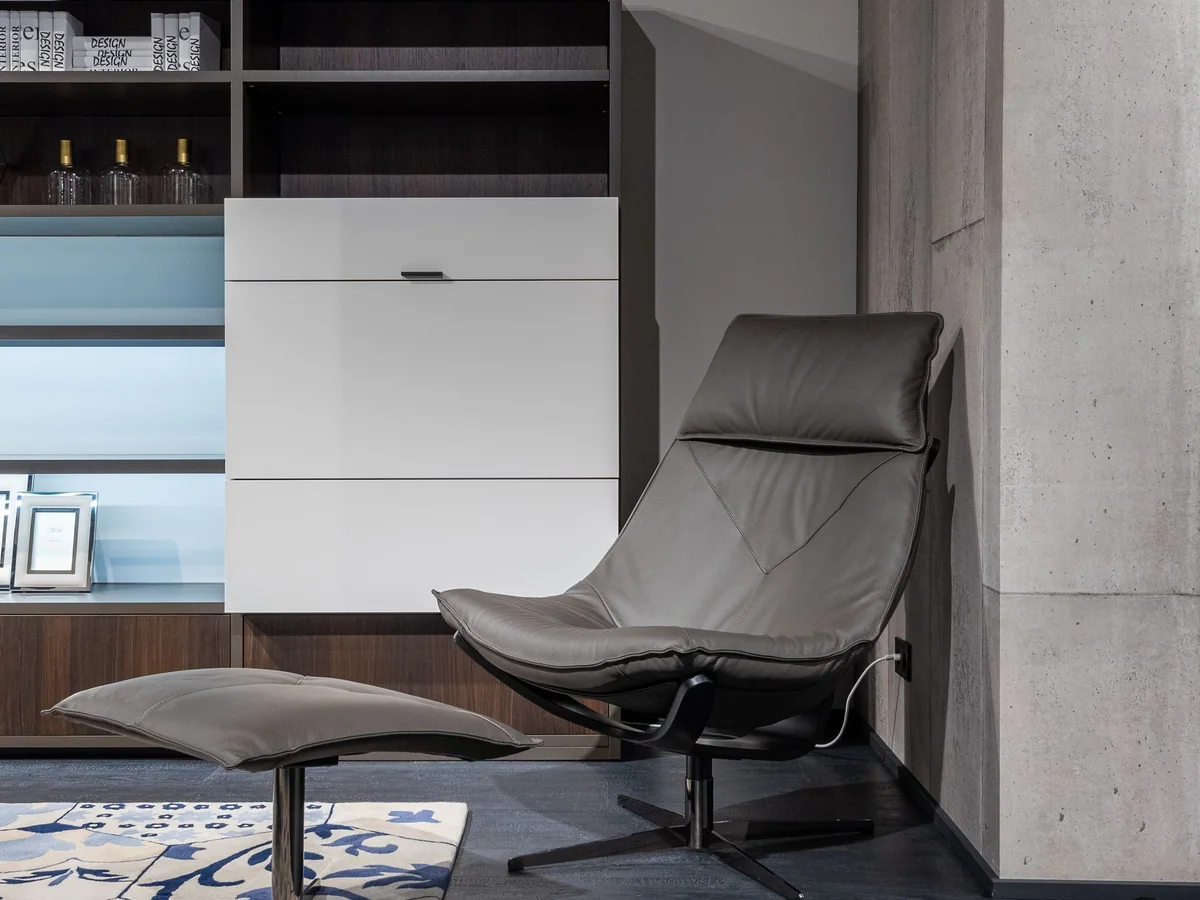 Storage Ottomans for Blankets, Games, and Extra Seating
 Compact Entry Storage Under 30 Inches Wide